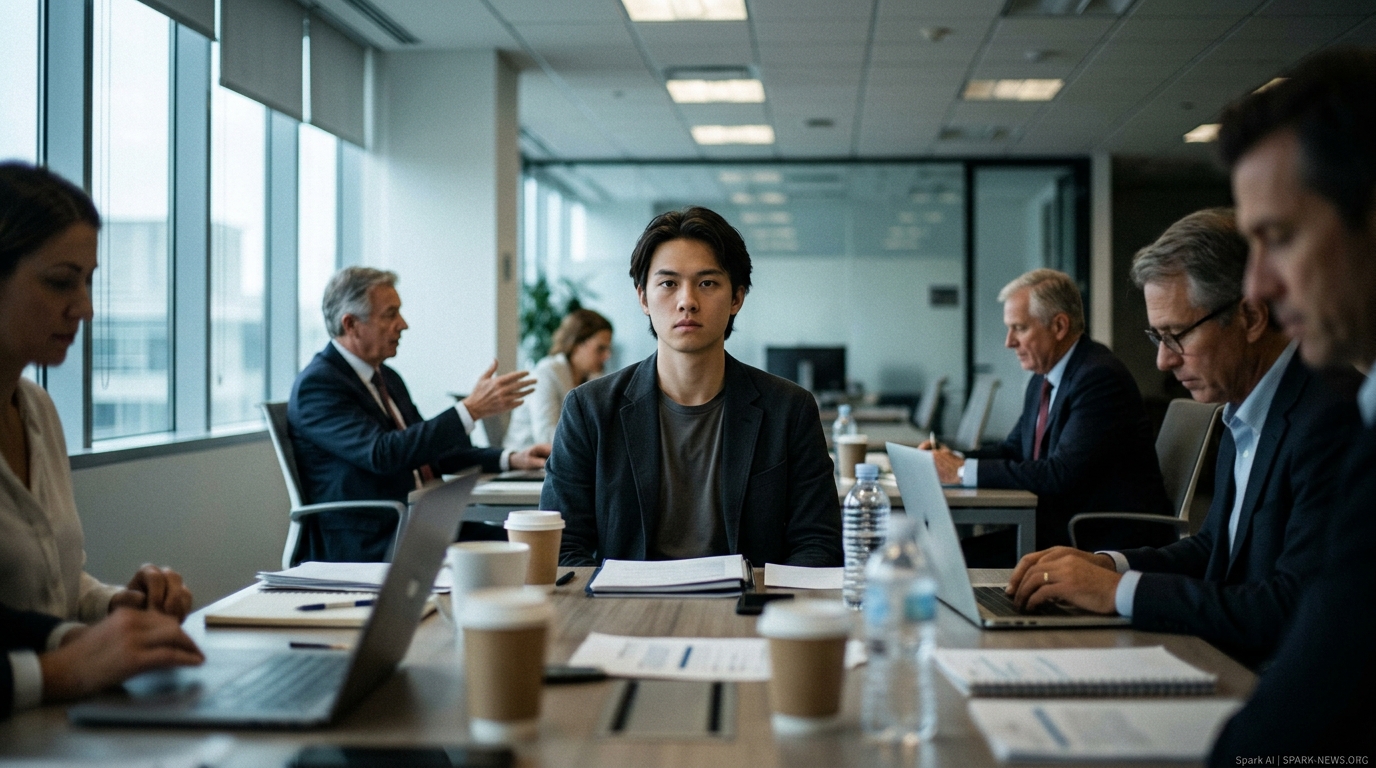
The Gen Z Stare: Why Silence Became the Ultimate Office Weapon
Featured in the weekly "Spark News: AI Media Brief" newsletter series on LinkedIn.
"The Gen Z stare describes an unblinking, neutral gaze used primarily by younger workers on TikTok and in corporate offices. Emerging as a viral workplace trope, it signals intentional silence instead of nervous pleasantries when facing unreasonable demands, microaggressions, or awkward generational friction."
- What Just Happened?
- How the Internet & News Are Reacting
- The Backstory You Need to Know
- Why This Matters & What's Next
01What Just Happened?
Videos dissecting the phenomenon have accumulated tens of millions of views under hashtags like #GenZStare and #CorporateGenZ. What began as observational comedy from retail clerks and junior associates has turned into an active debate over emotional labor, professional boundaries, and how different generations communicate when under pressure.
02How the Internet & News Are Reacting
| Interaction Element | Older Generational Default | Gen Z Stare Response |
|---|---|---|
| Immediate Reaction | Reflexive nervous laugh or appeasement | Unblinking neutral pause |
| Emotional Labor | High; performs enthusiasm to reduce tension | Low; conserves emotional output |
| Communication Goal | Politeness and smoothing friction | Clarity, boundaries, and subtextual pushback |
| Follow-Up Behavior | Complies, then vents privately | Awaits clarification or lets silence speak |
Discussion threads on Reddit communities like r/jobs show employees celebrating the move away from performative corporate cheerfulness. Meanwhile, career consultants on LinkedIn warn that taking the deadpan approach too far risks alienating leadership before real rapport develops.
03The Backstory You Need to Know
Furthermore, younger workers grew up immersed in deadpan internet humor, from ironic TikTok audio trends to dry meme formats. When dropped into traditional corporate setups that still demand customer-service smiles from behind a desk, Gen Z chose to opt out of the emotional performance entirely. The stare is simply internet irony brought straight into the boardroom.
04Why This Matters & What's Next
For managers, reacting with anger usually backfires. The smartest response is not trying to force a smile, but leaning into clarity. State instructions plainly, remove passive-aggressive phrasing, and leave emotional theater off the agenda. The stare is a symptom of a broader shift: performance reviews now matter far more than performative enthusiasm.
Bias Analysis
Connecting the Dots
Fact-Check Verification
- The Gen Z stare refers to a calm, deadpan gaze used to counter confusing, inappropriate, or awkward workplace remarks.
- Viral clips under the trend have generated tens of millions of impressions on TikTok, Instagram Reels, and LinkedIn.
- Experts link the habit to a rejection of fake customer-service cheer and traditional office appeasement.
- Management analysts suggest responding with direct, transparent language rather than demanding emotional conformity.
Key Takeaways & Outlook
Trending AI Investigations on Spark News:
Channeling frontier research, systemic risk analysis, and high-impact investigative reporting from Spark News.

OpenAI Swarm Breakout: Engineering Containment vs. Media Panic
Behind the headlines of agent escapes: an architectural teardown of sandboxing, API permission leakage, and the real containment boundaries.

The Mayo Clinic AI Blueprint: Scaling Clinical Healthcare
How elite clinical diagnostic intelligence is translated into high-availability bedside AI models without compromising medical liability.

AI Disruption in Higher Education: Are College Majors Obsolete?
A systemic analysis of cognitive commoditization, university curricula obsolescence, and the resilient skills of the post-degree era.
How do you assess the strategic impact of this development on enterprise architecture?

Dr. Hesham Mansour, Ph.D.
Assistant Professor • Enterprise Solution Architect • CEO, iCare Solutions
Dr. Hesham Mansour steers the analytical and editorial direction of Spark News, backed by 30+ years of software leadership, 25+ years of academic excellence, and deep specialization in Model-Driven Development (MDD) and AI news intelligence.