Ukraine’s Long-Range Offensive: A Strategic Turning Point in the 2026 War
Get weekly AI news audits & executive briefs directly in your LinkedIn inbox with 383+ tech leaders.
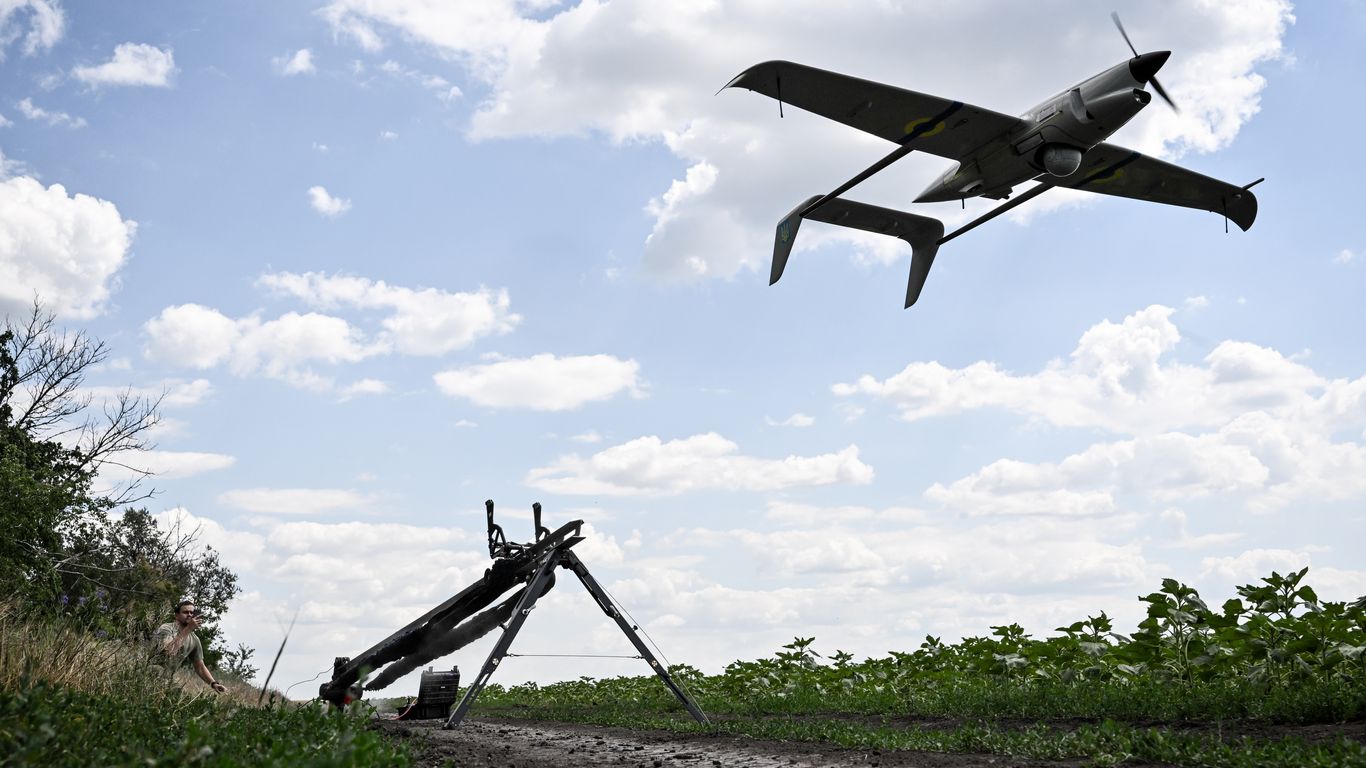
"In 2026, Ukraine has demonstrated unprecedented capability to strike deep into Russian territory, targeting oil refineries, military factories, and strategic sites. This shift, driven by domestically produced drones and missiles, signals a new phase in the war, challenging Russia's defenses and escalating pressure. Explore the tactics, implications, and global reactions to Ukraine's long-range offensive."
- Why Is Ukraine Hitting Russia Deep Inside Its Territory Now?
- What Are the Tactical and Strategic Implications of These Strikes?
- How Has Ukraine’s Military Capability Evolved Since 2022?
- What Does This Mean for the Future of the War?
01Why Is Ukraine Hitting Russia Deep Inside Its Territory Now?
02What Are the Tactical and Strategic Implications of These Strikes?
03How Has Ukraine’s Military Capability Evolved Since 2022?
04What Does This Mean for the Future of the War?
Bias Analysis
Conversely, Russian state-aligned media and some non-Western outlets are likely to portray these strikes as reckless or illegal, focusing on the humanitarian impact and framing them as provocations that could lead to wider conflict. The absence of Russian perspectives in many Western reports may also contribute to a one-sided portrayal of the strikes’ effectiveness and consequences. Additionally, the emphasis on Ukraine’s technological advancements, such as AI drones, may oversimplify the complexities of the war, including the role of Western intelligence and logistical support.
Connecting the Dots
The shift in 2026 toward deep strikes reflects Ukraine’s growing confidence in its indigenous military industry and its determination to take the fight to Russia. This strategy aligns with historical patterns of asymmetric warfare, where a weaker adversary targets an opponent’s vulnerabilities to offset conventional disadvantages. However, it also risks provoking further escalation, as seen in Russia’s deployment of nuclear-capable missiles like the Oreshnik and its intensified bombardment of Ukrainian cities.
Fact-Check Verification
Ukraine has conducted deep strikes on Russian oil refineries, weapons factories, and military sites.
Confirmed by multiple sources, including PBS, RBC-Ukraine, and The New Voice of Ukraine, with satellite imagery and official statements supporting these claims.
Ukraine’s Flamingo missiles can reach nearly half of Russia’s territory.
Reported by Bloomberg News and the Ukraine Crisis Media Center, though exact range capabilities remain classified.
Russia has suffered 1.4 million battlefield casualties since 2022.
Cited by the Center for Strategic and International Studies (CSIS), though casualty figures are disputed and difficult to verify independently.
Ukraine used AI-enhanced drones in its strikes.
Reported by The New York Times, with anecdotal evidence of AI integration in drone targeting systems. However, the extent of AI’s role remains unclear.
Russia has relocated air defenses to protect Moscow, leaving other regions exposed.
Attributed to President Zelensky in Axios and other outlets, but not independently confirmed by open-source intelligence.
Ukraine’s 40-day operation will force Russia to negotiate.
Zelensky’s statement lacks concrete evidence of diplomatic progress, and Russian officials have not indicated willingness to negotiate.
Russia’s fuel shortages are directly attributable to Ukrainian strikes.
While strikes have disrupted refineries, Russia’s fuel shortages may also stem from sanctions, export restrictions, and internal logistics challenges.
Key Takeaways & Outlook
How do you assess the strategic impact of this development on enterprise architecture?

Dr. Hesham Mansour, Ph.D.
Assistant Professor • Enterprise Solution Architect • CEO, iCare Solutions
Dr. Hesham Mansour steers the analytical and editorial direction of Spark News, backed by 30+ years of software leadership, 25+ years of academic excellence, and deep specialization in Model-Driven Development (MDD) and AI news intelligence.