More Services

news-analysisJuly 6, 2026

Politics on the Pitch: How Trump’s FIFA Intervention Reshaped the USMNT’s World Cup Fate

Politics on the Pitch: How Trump’s FIFA Intervention Reshaped the USMNT’s World Cup Fate
Spark News AI | spark-news.org
Enlarge Infographic
AI EXECUTIVE SUMMARY

"In 2026, a Trump administration official sought FIFA's review of USMNT striker Folarin Balogun's red card, overturning his suspension. This unprecedented political intervention in sports governance raises questions about ethics, diplomacy, and the future of international football."

  • Why Did a Trump Official Intervene in FIFA’s Disciplinary Process?
  • What Does This Mean for the Future of FIFA and International Sports?
  • How Did the Media Cover This Story, and What Biases Emerged?
  • What Historical Context Explains This Unusual Intervention?

01Why Did a Trump Official Intervene in FIFA’s Disciplinary Process?

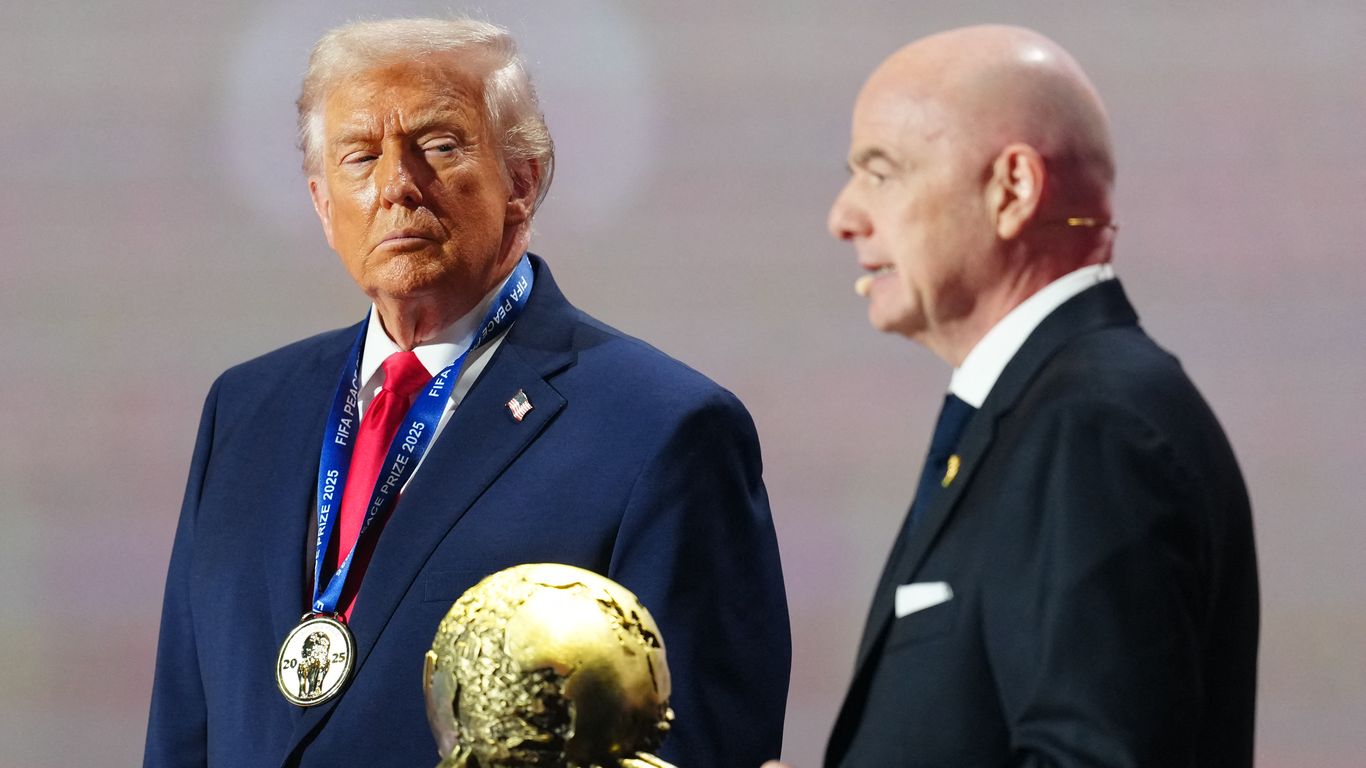
The intervention by a Trump administration official to request FIFA’s review of Folarin Balogun’s red card marks a rare, if not unprecedented, instance of direct political involvement in international sports governance. Sources confirm that President Trump personally contacted FIFA President Gianni Infantino, though the exact chain of communication remains unclear. This move underscores the White House’s heightened interest in the USMNT’s World Cup performance, particularly as the team advanced to the knockout stages. The reversal of Balogun’s suspension—allowing him to play against Belgium—raises ethical questions about the influence of political power on sporting bodies, which have historically operated independently to maintain fairness and neutrality.

02What Does This Mean for the Future of FIFA and International Sports?

FIFA’s decision to overturn Balogun’s suspension following Trump’s intervention sets a concerning precedent for the autonomy of international sports organizations. If political leaders can successfully lobby for disciplinary reviews, it could erode trust in the impartiality of governing bodies like FIFA, UEFA, or the IOC. This episode may also embolden other nations to leverage political pressure in sports, potentially leading to a new era of sports diplomacy where outcomes are influenced by geopolitical alliances rather than merit. The long-term implications for fairness, transparency, and the integrity of global competitions could be profound, particularly as sports increasingly intersect with national prestige and soft power.

03How Did the Media Cover This Story, and What Biases Emerged?

Coverage of Trump’s FIFA intervention has varied significantly across outlets, reflecting broader political and media biases. Right-leaning publications like the New York Post and Fox News framed the move as a triumph of leadership, emphasizing Trump’s role in "correcting an injustice" and supporting the USMNT. In contrast, left-leaning outlets such as The New York Times and The Washington Post questioned the ethics of political interference, highlighting the potential overreach of executive power into sports governance. Some international media, particularly in Europe, criticized the move as an abuse of influence, drawing parallels to historical instances of political meddling in sports, such as Cold War-era Olympic boycotts or state-sponsored doping scandals.

04What Historical Context Explains This Unusual Intervention?

While political leaders have occasionally weighed in on sports—such as President Obama’s support for Chicago’s Olympic bid in 2009 or President Biden’s calls for the 2026 World Cup—direct intervention in a disciplinary case is unprecedented. Historically, sports have been a battleground for soft power, with nations using athletic success to project influence. The 2026 World Cup, co-hosted by the U.S., Canada, and Mexico, has amplified national stakes, making the USMNT’s performance a matter of domestic pride. Trump’s intervention may reflect a broader trend of populist leaders using sports as a tool for political mobilization, particularly in an era where international institutions face growing skepticism. The episode also echoes past controversies, such as FIFA’s own corruption scandals, which have eroded public trust in its independence.

Bias Analysis

Left NarrativeRight-LeaningRight Narrative
100% LeftCenter / Neutral100% Right
The coverage of Trump’s FIFA intervention reveals clear political and institutional biases. Conservative outlets tend to portray the move as a justified and effective use of leadership, framing Trump as an advocate for American success on the global stage. This narrative aligns with a broader right-wing emphasis on nationalism and executive assertiveness. Conversely, liberal and centrist media outlets have focused on the ethical implications, questioning whether political pressure undermines the integrity of sports governance. Some international coverage has adopted a more critical tone, viewing the intervention as an overstep of authority that could set a dangerous precedent for future political interference in sports. The lack of transparency in FIFA’s decision-making process further fuels skepticism about whether the reversal was truly merit-based or politically motivated.

Connecting the Dots

sports Diplomacy
Sports have long been a vehicle for diplomacy, with nations using athletic success to bolster their global image. The 2026 World Cup, the first to be hosted by three countries, carries significant symbolic weight, particularly for the U.S. as it seeks to reassert its influence in global football. Trump’s intervention in Balogun’s case may signal a shift toward more aggressive sports diplomacy, where political leaders actively shape outcomes to align with national interests. This approach risks politicizing sports further, particularly in an era where international competitions are already fraught with geopolitical tensions.
F I F A Governance
FIFA’s decision to reverse Balogun’s suspension raises questions about its governance and susceptibility to external pressure. The organization has faced criticism in the past for lack of transparency, particularly during the 2015 corruption scandal that led to the arrest of several high-ranking officials. While FIFA has since implemented reforms, this episode suggests that political influence remains a persistent challenge. The organization’s reliance on member associations and its need to maintain positive relations with host nations may make it vulnerable to lobbying, particularly from powerful countries like the U.S.

Fact-Check Verification

verified Facts
claim

A Trump administration official requested FIFA to review Folarin Balogun’s red card.

verification

Confirmed by multiple sources, including Axios and The New York Times, citing anonymous insiders familiar with the matter.

claim

President Trump personally spoke with FIFA President Gianni Infantino.

verification

Reported by The New York Times, Reuters, and the New York Post, though the exact timing and content of the conversation remain undisclosed.

claim

FIFA overturned Balogun’s one-match suspension, allowing him to play against Belgium.

verification

Confirmed by FIFA’s official announcement and corroborated by all major news outlets covering the story.

claim

Balogun received a red card in the USMNT’s 2-0 win over Bosnia-Herzegovina.

verification

Verified through match reports and official FIFA disciplinary records.

unverified Or Conflicting Claims
claim

The Trump administration’s intervention was the sole reason for FIFA’s reversal.

verification

While Trump’s intervention is widely cited as the catalyst, FIFA has not publicly disclosed its internal review process. It is possible other factors, such as new evidence or procedural errors, contributed to the decision.

claim

This is the first instance of a U.S. president intervening in a FIFA disciplinary case.

verification

No prior instances of direct presidential intervention in FIFA disciplinary matters have been documented, making this event unprecedented. However, political leaders have historically influenced sports governance in other ways, such as lobbying for hosting rights or advocating for policy changes.

Key Takeaways & Outlook

Trump’s intervention in FIFA’s review of Folarin Balogun’s red card represents a watershed moment in the intersection of politics and international sports. While the immediate outcome—a reversal of the suspension—benefited the USMNT’s World Cup campaign, the long-term implications are far-reaching. This episode challenges the autonomy of global sports governing bodies, raising concerns about fairness, transparency, and the potential for political manipulation. As sports continue to serve as a stage for national prestige, the line between athletic competition and political influence may blur further, particularly in high-stakes events like the World Cup.