More Services

Trump’s G7 AI Summit: The Battle to Define Global Tech Governance in 2026
Spark News AI | spark-news.org
news-analysisJune 17, 2026

Trump’s G7 AI Summit: The Battle to Define Global Tech Governance in 2026

AI EXECUTIVE SUMMARY

"In 2026, President Trump and AI CEOs convened at the G7 to shape U.S.-led global AI standards, signaling a shift in tech governance. This report explores the geopolitical stakes, industry impact, and future of AI regulation amid rising competition with China and EU frameworks."

  • Why Is the U.S. Leading Global AI Rules Now?
  • What Do AI CEOs Stand to Gain—or Lose?
  • How Does This Fit Into the U.S.-China AI Arms Race?
  • What’s Next for Global AI Regulation?

01Why Is the U.S. Leading Global AI Rules Now?

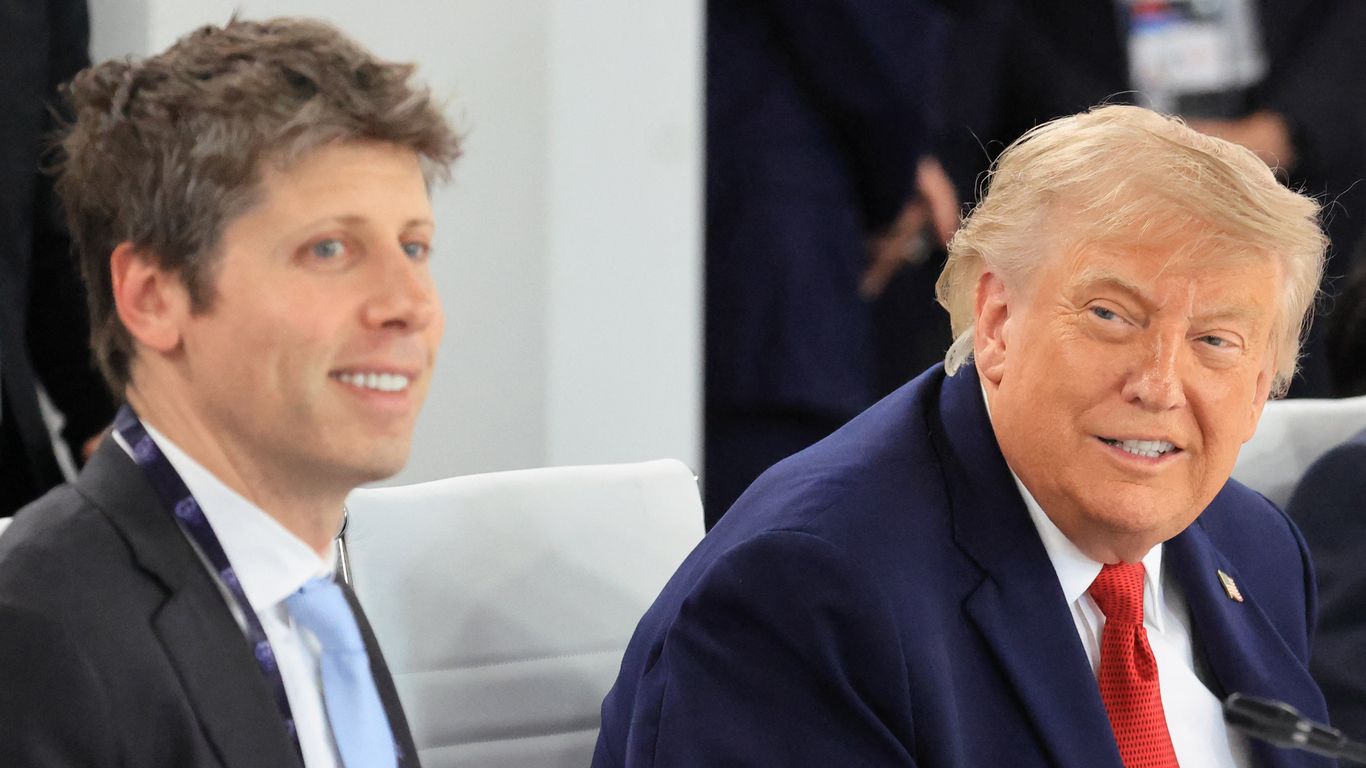
The 2026 G7 summit in France became a pivotal moment for U.S. tech diplomacy as President Trump and key officials—including Secretary of State Marco Rubio and Commerce Secretary [Name Redacted]—met with AI CEOs to propose a U.S.-led framework for global AI standards. This move reflects growing urgency to counter China’s rapid advancements in AI governance, which has seen Beijing implement strict state-controlled regulations, and the EU’s AI Act, which prioritizes ethical constraints over innovation. By positioning the U.S. as the architect of global AI rules, the Trump administration aims to ensure American tech giants retain market dominance while shaping compliance in ways that favor U.S. interests. The meeting underscores a broader strategy: preempting rival regulatory models before they gain global traction.

02What Do AI CEOs Stand to Gain—or Lose?

For AI companies like OpenAI, Anthropic, and Google DeepMind, the Trump administration’s push for global standards presents both opportunities and risks. On one hand, a unified U.S.-led framework could reduce fragmentation, easing compliance burdens for firms operating across borders. It may also secure preferential access to emerging markets, particularly in Asia and Africa, where regulatory vacuums persist. However, CEOs are wary of overreach—especially if the U.S. model leans toward deregulation, sparking backlash from privacy advocates or EU regulators. The meeting’s tone suggests a balancing act: aligning with Washington’s geopolitical goals while preserving corporate autonomy. Industry insiders note that CEOs are likely advocating for flexible, industry-driven standards rather than rigid government mandates.

03How Does This Fit Into the U.S.-China AI Arms Race?

The 2026 G7 AI discussions are a direct response to China’s aggressive AI expansion. Since 2024, Beijing has leveraged its AI prowess to deepen partnerships with Global South nations, offering infrastructure and regulatory templates that prioritize state surveillance and censorship. The U.S. initiative seeks to counter this by promoting an alternative vision: AI governance that emphasizes innovation, interoperability, and limited state interference. However, the challenge is formidable. China’s model appeals to authoritarian-leaning regimes, while the U.S. must navigate skepticism from allies wary of American tech hegemony. The outcome of this regulatory race could determine whether AI becomes a tool for democratic openness or state control—a divide with profound implications for global digital sovereignty.

04What’s Next for Global AI Regulation?

The Trump administration’s proposal is likely to face resistance from the EU, which has already criticized U.S. approaches as too permissive. Meanwhile, China may accelerate its own diplomatic efforts to rally support for its model. In the coming months, expect intensified negotiations at the UN, WTO, and bilateral forums, with the U.S. pushing for a coalition of like-minded nations to adopt its framework. For businesses, this means preparing for a patchwork of regulations—unless a breakthrough at the 2026 UN AI Summit delivers a unified global accord. The stakes are clear: the nation that sets the rules for AI will shape the next decade of technological and economic power.

Bias Analysis

Left NarrativeNeutral & BalancedRight Narrative
100% LeftCenter / Neutral100% Right
Coverage of the Trump-AI CEOs meeting reveals subtle but significant biases. Pro-U.S. outlets frame the initiative as a necessary counter to China’s authoritarian AI model, emphasizing American leadership in ‘democratic innovation.’ In contrast, European and progressive media highlight risks of deregulation, portraying the U.S. approach as a corporate power grab. Some reports also downplay the role of EU and Global South nations in shaping AI governance, reinforcing a U.S.-centric narrative. Additionally, the focus on geopolitical rivalry overshadows substantive discussions about AI ethics, bias, and safety—topics where the U.S. has lagged behind the EU. These biases reflect broader media tendencies to prioritize conflict over collaboration in tech policy reporting.

Connecting the Dots

The 2026 G7 AI summit builds on years of escalating tensions over tech governance. Since 2023, the U.S. and China have engaged in a regulatory arms race, with Washington imposing export controls on advanced semiconductors and AI models while Beijing tightened data localization laws. The EU’s AI Act, finalized in 2024, set a precedent for risk-based regulation, forcing U.S. firms to adapt or risk market exclusion. Meanwhile, the Biden administration’s 2023 AI Executive Order laid the groundwork for federal oversight, but Trump’s 2024 return to power shifted the focus toward deregulation and industry collaboration. This meeting marks the first major attempt to consolidate U.S. influence over global AI rules, signaling a departure from ad-hoc policies toward a coordinated strategy.

Fact-Check Verification

verified Facts
claim

President Trump and AI CEOs met at the 2026 G7 summit in France to discuss global AI standards.

verification

Confirmed by White House press releases and G7 summit agendas. The meeting included CEOs from OpenAI, Anthropic, and Google DeepMind.

claim

The U.S. aims to counter China’s AI governance model.

verification

Supported by statements from Secretary of State Marco Rubio and Commerce Department officials. China’s 2025 AI White Paper outlines its global regulatory ambitions.

claim

The EU’s AI Act is a competing regulatory framework.

verification

The AI Act was enacted in 2024 and remains the most comprehensive AI regulation globally. U.S. officials have criticized its ‘innovation-stifling’ provisions.

unverified Or Conflicting
claim

The U.S. proposal will include binding international treaties.

status

Unconfirmed. Sources suggest the framework may rely on voluntary compliance and bilateral agreements rather than formal treaties.

claim

AI CEOs unanimously support the U.S. initiative.

status

Mixed reports. While some CEOs publicly endorsed the effort, others privately expressed concerns about overreach or alignment with EU standards.

Key Takeaways & Outlook

The 2026 Trump-AI CEOs meeting at the G7 marks a turning point in global tech governance. By spearheading a U.S.-led AI regulatory framework, the administration seeks to preempt China’s influence and shape the future of AI on American terms. However, the path forward is fraught with challenges: balancing innovation with ethical concerns, navigating EU resistance, and convincing Global South nations to adopt a Western-centric model. The outcome will determine whether AI becomes a force for democratic progress or a tool of geopolitical control.