Spark News AI | spark-news.org
viral-trendSeptember 21, 2026⏱️6 min read
The Dictionary Just Canonized ‘Looksmaxxing’ and ‘Vibe Coding’
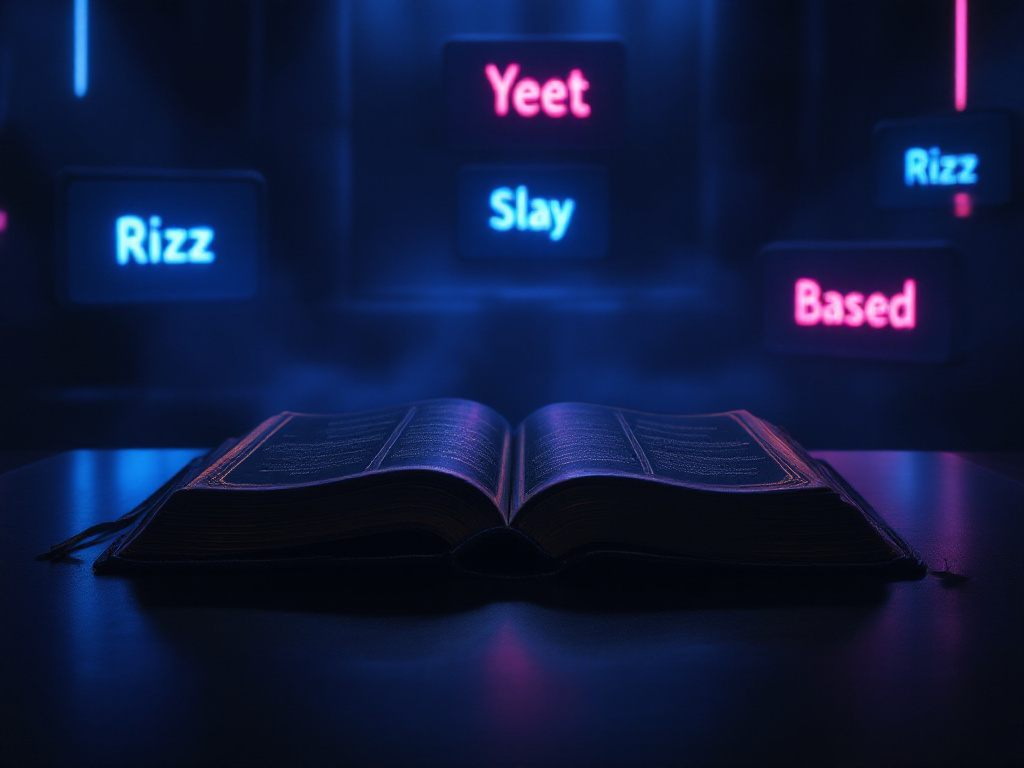
📷An open leather-bound dictionary sits under studio lighting, illuminated by neon screens displaying viral internet slang terms.
Weekly LinkedIn Newsletter383+ Subs
Get weekly AI news audits & executive briefs directly in your LinkedIn inbox with 383+ tech leaders.
🔥VIRAL TREND SPOTLIGHT
VIRAL HOOK & AT A GLANCE
"Merriam-Webster expanded its official lexicon by adding 1,400 new words and definitions in 2026. The update captures massive internet subcultures and workplace shifts, officially canonizing viral terms such as looksmaxxing, vibe coding, cuffing season, Sunday scaries, and whack-a-mole into standard modern English."
- What Just Happened?
- How the Internet & News Are Reacting
- The Backstory You Need to Know
- Why This Matters & What's Next
01What Just Happened?
Language gatekeepers just bent the knee to internet culture once again. In its latest major batch release, Merriam-Webster officially introduced roughly 1,400 new words, definitions, and phrases to its record of the English language.
Leading the pack are viral terms that previously lived exclusively on TikTok, Reddit, and GitHub discussions. Words like looksmaxxing (the systematic effort to enhance one's physical attractiveness) and vibe coding (relying on intuition, vibe, or generative AI prompts to write software without formal syntax obsession) have crossed over from niche subcultures into authoritative print. Everyday cultural rituals like cuffing season and workplace anxieties like the Sunday scaries also earned their official stripes alongside corporate staples like whack-a-mole.
Leading the pack are viral terms that previously lived exclusively on TikTok, Reddit, and GitHub discussions. Words like looksmaxxing (the systematic effort to enhance one's physical attractiveness) and vibe coding (relying on intuition, vibe, or generative AI prompts to write software without formal syntax obsession) have crossed over from niche subcultures into authoritative print. Everyday cultural rituals like cuffing season and workplace anxieties like the Sunday scaries also earned their official stripes alongside corporate staples like whack-a-mole.
02How the Internet & News Are Reacting
The announcement triggered immediate debates across social feeds and newsrooms. Traditionalists voiced frustration over fleeting online jokes receiving academic permanence, while linguists pointed out that English has always evolved from popular street usage up to official documentation.
Here is how public perception compares to how lexicographers actually operate:
Coverage on platforms like X and Reddit split between users cheering the validation of their everyday vocabulary and commentators questioning whether flash-in-the-pan viral trends deserve historical canonization.
Here is how public perception compares to how lexicographers actually operate:
| Term | Viral Internet Perception | Merriam-Webster Ground Reality |
|---|---|---|
| Looksmaxxing | A niche Gen-Z meme focused on jawline workouts | Documented across mainstream media and health reporting for sustained general usage |
| Vibe Coding | A cheeky joke about letting AI tools write messy code | A recognized shift in engineering workflows across software development teams |
| Sunday Scaries | Relatable weekly social media complaining | A concrete, widely acknowledged psychological phenomenon impacting office workers |
Coverage on platforms like X and Reddit split between users cheering the validation of their everyday vocabulary and commentators questioning whether flash-in-the-pan viral trends deserve historical canonization.
03The Backstory You Need to Know
Merriam-Webster does not add terms on a whim or because a single video went viral overnight. Editors at the publishing house monitor millions of pages of published literature, journalism, academic papers, and digital media over multiple years before advancing a word for inclusion.
A term must demonstrate three strict criteria: widespread usage, sustained staying power across different demographics, and a clear, distinct meaning that existing words fail to capture. Terms like cuffing season circulated on urban radio and college campuses for over a decade before clearing the editorial bar. By the time a phrase enters the dictionary, it has already graduated from passing fad to an embedded cultural habit.
A term must demonstrate three strict criteria: widespread usage, sustained staying power across different demographics, and a clear, distinct meaning that existing words fail to capture. Terms like cuffing season circulated on urban radio and college campuses for over a decade before clearing the editorial bar. By the time a phrase enters the dictionary, it has already graduated from passing fad to an embedded cultural habit.
04Why This Matters & What's Next
This latest update reflects how rapidly software engineering and social media aesthetics shape collective consciousness. The inclusion of vibe coding signals that generative tools and intuitive programming are reshaping professional identity, while terms like looksmaxxing prove that digital subcultures define modern self-improvement discourse.
As algorithms accelerate how fast slang travels from small forums into boardrooms and classrooms, the gap between street slang and official dictionary status will keep shrinking. Expect lexicographers to face even harder questions as online subcultures invent, discard, and replace new vernacular faster than printing presses can keep up.
As algorithms accelerate how fast slang travels from small forums into boardrooms and classrooms, the gap between street slang and official dictionary status will keep shrinking. Expect lexicographers to face even harder questions as online subcultures invent, discard, and replace new vernacular faster than printing presses can keep up.
Bias Analysis
Left NarrativeNeutral & BalancedRight Narrative
100% LeftCenter / Neutral100% Right
News coverage divided cleanly between lifestyle commentators celebrating the playful normalization of youth culture and language purists warning against the erosion of formal prose. Mainstream news outlets focused heavily on relatable workplace terms like Sunday scaries, while tech outlets locked their coverage onto vibe coding.
Connecting the Dots
Merriam-Webster continuously tracks the evolution of English through citations across books, periodicals, and online publications. Every year, editors review thousands of proposed additions, admitting only those terms that demonstrate broad, continuous, and meaningful usage across diverse audiences.
Fact-Check Verification
- Merriam-Webster introduced approximately 1,400 new words, senses, and definitions in its 2026 update.
- Prominent internet slang terms including looksmaxxing, vibe coding, and cuffing season are now officially defined.
- Linguists require years of widespread, multi-source published citations before approving any viral term for entry.
Key Takeaways & Outlook
The dictionary does not dictate how humans speak; it records how humans live. If you find yourself looksmaxxing your profile or vibe coding a weekend project, rest assured the dictionary now speaks your language.
🗳️Community Intelligence Poll
1-Click VoteHow do you assess the strategic impact of this development on enterprise architecture?

FOUNDER & EDITOR-IN-CHIEF🎓Ph.D. Systems ArchitectureiCare Solutions383+ Newsletter Subs
Dr. Hesham Mansour, Ph.D.
Assistant Professor • Enterprise Solution Architect • CEO, iCare Solutions
Dr. Hesham Mansour steers the analytical and editorial direction of Spark News, backed by 30+ years of software leadership, 25+ years of academic excellence, and deep specialization in Model-Driven Development (MDD) and AI news intelligence.
✨ Ph.D. Enterprise Systems Architecture✨ 30+ Yrs Software Leadership✨ 25+ Yrs Academic Excellence✨ Model-Driven Architecture (MDD)✨ AI Systems & GEO Citation Research