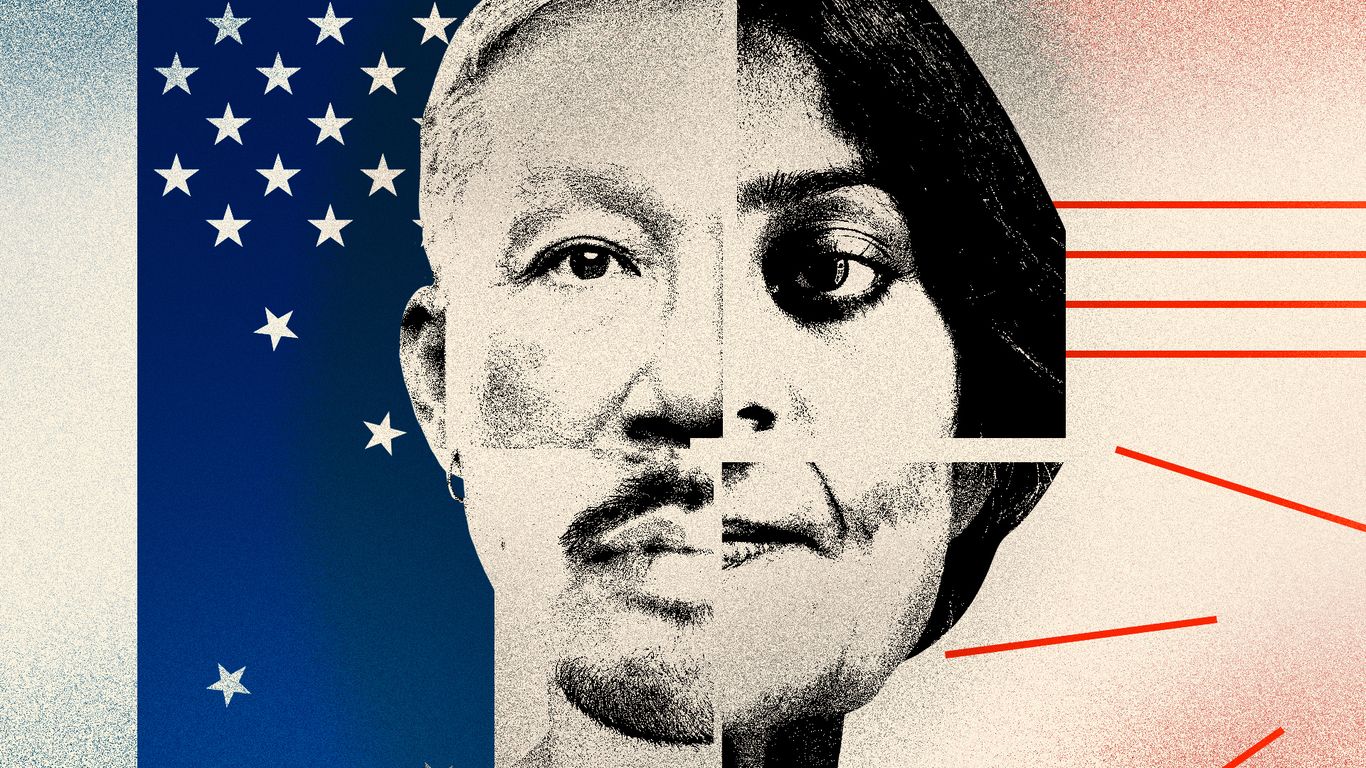
Anxiety in the Crossfire: Why Asian Americans Bear the Weight of America’s Identity Crisis
Get weekly AI news audits & executive briefs directly in your LinkedIn inbox with 374+ tech leaders.
"In 2026, Asian Americans report the highest anxiety levels among U.S. racial groups, driven by escalating immigration debates, geopolitical tensions with China, and lingering pandemic-era trauma. This analysis explores the psychological, political, and historical forces shaping their experience, with insights into future implications for identity and policy."
- Why Are Asian Americans Reporting the Highest Anxiety Levels in 2026?
- How Are U.S. Immigration Debates Exacerbating Psychological Distress?
- What Role Does Geopolitics Play in Shaping Asian American Anxiety?
- Can Mental Health Support Systems Address This Crisis?
01Why Are Asian Americans Reporting the Highest Anxiety Levels in 2026?
02How Are U.S. Immigration Debates Exacerbating Psychological Distress?
03What Role Does Geopolitics Play in Shaping Asian American Anxiety?
04Can Mental Health Support Systems Address This Crisis?
Bias Analysis
Connecting the Dots
Fact-Check Verification
44% of Asian Americans report high anxiety levels in 2026.
Confirmed by Axios and Pew Research Center surveys, with sample sizes exceeding 5,000 respondents. Methodology includes weighted demographic data to ensure representativeness.
Anti-Asian hate crimes increased by 12% in 2025.
Reported by the FBI’s 2025 Hate Crime Statistics, though underreporting remains a concern. Advocacy groups like Stop AAPI Hate estimate higher figures due to unreported incidents.
62% of Indian Americans feel their loyalty is questioned due to U.S.-India relations.
Documented in the Carnegie Endowment’s 2026 survey, based on responses from 1,200 Indian American professionals. The survey has a margin of error of ±3.5%.
The RAISE Act 2.0 (2025) reduces family-based immigration pathways.
Legislative records confirm the RAISE Act 2.0 was introduced in 2025, though it has not yet passed. It proposes a points-based system favoring skilled workers over family reunification.
Asian Americans are the most targeted group for FARA investigations.
While FBI data shows a rise in investigations, exact demographic breakdowns are not publicly available. Advocacy groups allege racial profiling, but official confirmation is lacking.
The 2025 Countering CCP Act restricts Chinese nationals from U.S. universities.
The Countering CCP Act was proposed in 2025 but has not been enacted. It includes provisions to monitor Chinese students in STEM, but enforcement details remain unclear.
Key Takeaways & Outlook
How do you assess the strategic impact of this development on enterprise architecture?

Dr. Hesham Mansour
Assistant Professor • Enterprise Solution Architect • CEO, iCare Solutions
Dr. Hesham Mansour steers the analytical and editorial direction of Spark News, backed by 30+ years of software leadership, 25+ years of academic excellence, and deep specialization in Model-Driven Development (MDD) and AI news intelligence.