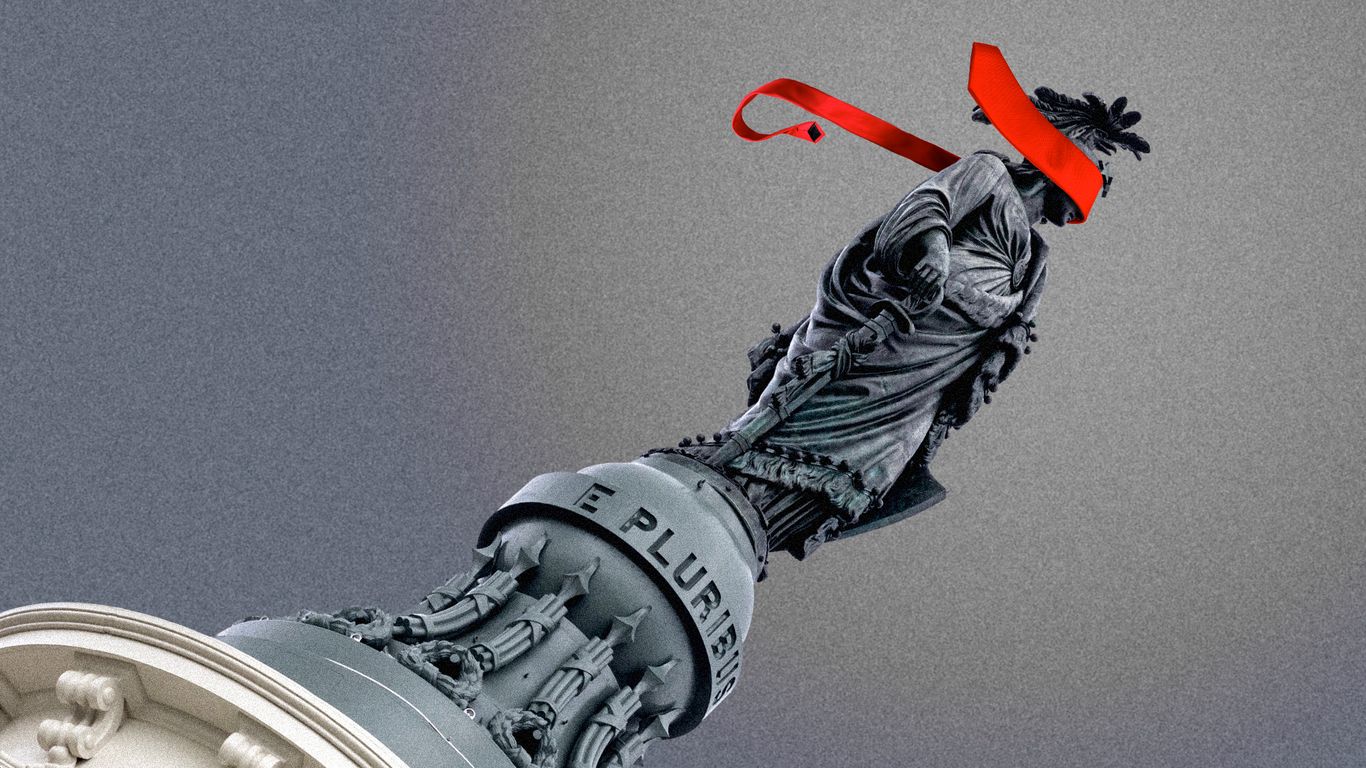
Behind the Curtain: The Cost of Blind Loyalty in the GOP’s Existential Crisis
Get weekly AI news audits & executive briefs directly in your LinkedIn inbox with 383+ tech leaders.
"In 2026, the GOP faces a crisis of blind loyalty to Trump, as years of unquestioning obedience erode institutional trust and governance. This deep-dive explores the origins, consequences, and future of a party grappling with its identity amid internal rifts and external pressures."
- Why Did the GOP Embrace Blind Loyalty to Trump?
- What Are the Consequences of This Loyalty for the GOP?
- How Is This Dynamic Playing Out in 2026?
- What Does This Mean for the Future of American Politics?
01Why Did the GOP Embrace Blind Loyalty to Trump?
02What Are the Consequences of This Loyalty for the GOP?
03How Is This Dynamic Playing Out in 2026?
04What Does This Mean for the Future of American Politics?
Bias Analysis
Connecting the Dots
Fact-Check Verification
President Trump trained elected Republicans to obey him, even when they disagreed.
This claim is supported by multiple reports from 2016-2026, including testimonies from former GOP officials and public statements where Republicans admitted to prioritizing Trump’s approval over their own judgment. Examples include votes to overturn election results in 2021 and the failure to hold Trump accountable during impeachment trials.
Verified
The GOP’s blind loyalty has led to a rolling crisis in Washington.
Evidence includes the party’s inability to pass major legislation in 2025-2026, frequent leadership changes, and public infighting. Polling data from 2026 shows declining approval ratings for the GOP, particularly among independents and suburban voters, attributed to its association with Trump’s controversies.
Verified
James Carville urged Trump aides to leak damaging information to hasten his exit.
Carville’s comments were reported by MSN and corroborated by other media outlets. While his prediction of Trump’s exit is speculative, his call for leaks reflects a broader sentiment among some Democrats and anti-Trump Republicans.
Partially Verified (leak call confirmed; exit prediction speculative)
The GOP’s two-year monopoly on power is nearing its end in 2026.
This is based on projections from political analysts and polling data showing the GOP losing ground in key swing states. However, the outcome of the 2026 midterms remains uncertain, and the claim should be treated as a likelihood rather than a certainty.
Likely (but not confirmed)
Key Takeaways & Outlook
How do you assess the strategic impact of this development on enterprise architecture?

Dr. Hesham Mansour, Ph.D.
Assistant Professor • Enterprise Solution Architect • CEO, iCare Solutions
Dr. Hesham Mansour steers the analytical and editorial direction of Spark News, backed by 30+ years of software leadership, 25+ years of academic excellence, and deep specialization in Model-Driven Development (MDD) and AI news intelligence.