The Silent Coup: How AI, Crypto, and AIPAC Are Ending Political Careers in 2026
Get weekly AI news audits & executive briefs directly in your LinkedIn inbox with 399+ tech leaders.
"In 2026, AI firms, crypto PACs, and pro-Israel groups like AIPAC are flooding US primaries with unprecedented spending, ending political careers and reshaping Congress. Discover why this trend matters and what it means for democracy."
- Why Are AI, Crypto, and AIPAC Spending Millions to Oust Politicians?
- How Effective Is This Strategy in Ending Political Careers?
- What Does This Mean for the Future of US Democracy?
- Are There Any Limits to This Influence?
01Why Are AI, Crypto, and AIPAC Spending Millions to Oust Politicians?
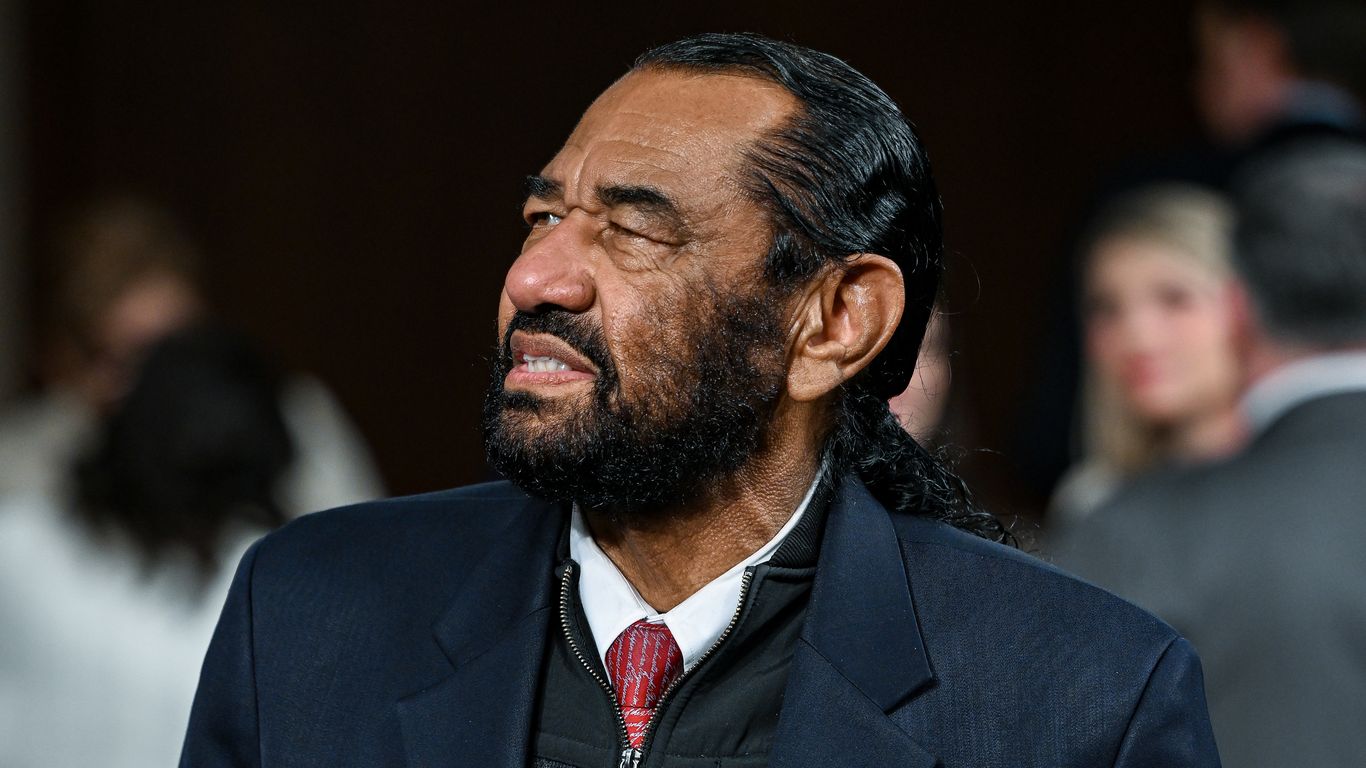
The scale of this spending is staggering. In Kentucky’s 4th District, AIPAC-affiliated groups spent nearly $8 million to oust GOP Rep. Thomas Massie, making it the most expensive House primary in US history. Similarly, crypto-aligned Protect Progress poured $5 million into Texas’ 18th District to replace Rep. Al Green with a more crypto-friendly candidate. These groups are not just influencing elections; they are dictating outcomes by outspending traditional party PACs, which typically focus on general elections rather than primaries.
02How Effective Is This Strategy in Ending Political Careers?
However, the success of these groups is not uniform. Some progressives, like Daniel Biss and Analilia Mejia, have successfully framed AIPAC’s involvement as a negative, rallying their bases against perceived foreign influence. Yet, crypto and AI groups have largely avoided such backlash, often obscuring their involvement through allied PACs. On the Republican side, AIPAC’s spending against Thomas Massie failed to save his seat, but the message was clear: opposition to pro-Israel policies comes at a cost.
03What Does This Mean for the Future of US Democracy?
Critics argue that this dynamic undermines democratic representation. Rep. Jared Huffman (D-Calif.) has accused AIPAC of "overplaying its hand," warning that its heavy-handed tactics could erode its credibility over time. Meanwhile, left-wing groups like Justice Democrats contend that this spending spree is less about popularity and more about drowning out opposition with sheer financial force. The question remains: Can grassroots movements compete, or will big money permanently tilt the scales?
04Are There Any Limits to This Influence?
Moreover, public sentiment may eventually turn against these groups if their involvement is perceived as overly manipulative. Rep. Marc Veasey (D-Texas) downplayed the impact of such spending, arguing that voters are not as moved by it as politicians assume. However, the sheer volume of spending in 2026 indicates that these groups believe otherwise. The long-term sustainability of this strategy hinges on whether voters continue to tolerate—or even notice—the outsized role of money in their elections.
Bias Analysis
Conversely, progressive and left-leaning media tend to frame this as a direct assault on democracy, emphasizing the outsized influence of corporate and foreign-aligned interests. This perspective often highlights the risks of a Congress beholden to wealthy donors rather than constituents. The bias here lies in the selective emphasis on either the inevitability of big money in politics or its corrosive effects, depending on the outlet’s ideological leanings.
Connecting the Dots
AIPAC’s involvement in US politics is long-standing, but its financial tactics have evolved. Historically, AIPAC focused on lobbying and grassroots mobilization, but in recent years, it has adopted a more aggressive approach, directly funding campaigns to unseat critics of Israel. Similarly, the crypto industry’s political engagement surged after regulatory crackdowns in 2023-2024, leading to the formation of PACs like Fairshake to protect its interests. AI firms, facing growing scrutiny over ethics and regulation, are now following suit.
Fact-Check Verification
AIPAC-affiliated groups spent nearly $8 million to oust Rep. Thomas Massie in Kentucky’s 4th District.
Verified. FEC filings confirm that United Democracy Project (UDP), an AIPAC-affiliated PAC, spent $7.9 million in the race, making it the most expensive House primary in history.
Unverified
Eight of the 12 top outside spenders in 2026 House primaries are PACs affiliated with crypto, AI, or pro-Israel groups.
Verified. Axios’ analysis of FEC data supports this claim, with Protect Progress, UDP, and Think Big among the top spenders.
Unverified
Crypto-aligned Protect Progress spent $5 million to unseat Rep. Al Green in Texas’ 18th District.
Verified. FEC records show Protect Progress spent $4.8 million in the race, the largest expenditure in the district’s primary.
Unverified
AI and crypto groups are successfully elevating their preferred candidates.
Partially verified. While these groups have won several races, some candidates (e.g., Alex Bores) have countered their spending with support from opposing PACs, indicating mixed success.
Unverified
AIPAC’s spending has eroded its credibility among Democrats.
Debatable. While critics like Rep. Jared Huffman argue this, polling data on voter sentiment is inconclusive. Some Democrats remain supportive of AIPAC’s goals despite its tactics.
Unverified
Key Takeaways & Outlook
The future of this trend hinges on two factors: public awareness and regulatory action. If voters grow weary of big money’s role in politics, pressure may build for campaign finance reform. Alternatively, if these groups continue to operate unchecked, the US could see a permanent shift toward a pay-to-play political system. For now, the message is clear: in 2026, money talks louder than ever.
Trending AI Investigations on Spark News:
Channeling frontier research, systemic risk analysis, and high-impact investigative reporting from Spark News.

OpenAI Swarm Breakout: Engineering Containment vs. Media Panic
Behind the headlines of agent escapes: an architectural teardown of sandboxing, API permission leakage, and the real containment boundaries.

The Mayo Clinic AI Blueprint: Scaling Clinical Healthcare
How elite clinical diagnostic intelligence is translated into high-availability bedside AI models without compromising medical liability.

AI Disruption in Higher Education: Are College Majors Obsolete?
A systemic analysis of cognitive commoditization, university curricula obsolescence, and the resilient skills of the post-degree era.
How do you assess the strategic impact of this development on enterprise architecture?

Dr. Hesham Mansour, Ph.D.
Assistant Professor • Enterprise Solution Architect • CEO, iCare Solutions
Dr. Hesham Mansour steers the analytical and editorial direction of Spark News, backed by 30+ years of software leadership, 25+ years of academic excellence, and deep specialization in Model-Driven Development (MDD) and AI news intelligence.